
 中文简体
中文简体
What Makes a Silk Knitting Fabric Machine Washable
The hand feel of a silk knit swatch tells you very little about how it will behave after ten washing machine cycles. Two fabrics can look and drape almost identically, yet one will hold its size, color, and surface while the other shrinks, fuzzes, and loses its luster within a few wash loads. In knitted form, silk behaves differently from woven silk: the loops give it stretch, breathability, and a softer drape, but they also create more mechanical stress points during laundering. That is why machine washable silk knitting fabric has become a distinct sourcing category. It is not a single finish, but a chain of decisions covering raw silk quality, degumming, knit structure, finishing, and verification.
Sericin Removal Sets the Foundation
Raw mulberry silk consists of a fibroin core wrapped in sericin, a gummy protein that stiffens the filaments and dulls their natural sheen. Degumming removes that coating so the knitted fabric becomes soft, smooth, and bright. In washable silk programs, degumming has to be controlled within a narrow window. Remove too little sericin and the fabric feels harsh and attracts soil; remove too much and the filaments lose tensile strength. A well-managed sericin removal and RA finishing process is the usual engineering starting point for machine washable silk, because it determines both the hand feel and the fiber's ability to survive water and agitation.
Yarn Selection and Knit Structure Determine Stability
Long-filament mulberry silk is the preferred raw material for washable knits because it produces a smoother surface with fewer protruding fiber ends, which are the source of the frosty fuzz that appears after wet abrasion. The knit structure matters just as much. Interlock and double-faced jacquard constructions have a more balanced internal tension than loose single jersey, so they resist bagging and distortion during washing. Adding a small percentage of spandex gives elastic recovery that helps the garment spring back after low-spin cycles. These are the reasons machine washable silk is offered in interlock, single jacquard, double jacquard, and spandex-blended versions rather than a single basic jersey.
Finishing and Accelerated Wash Testing Close the Gap
Finishing chemistry modifies the fiber surface so it absorbs less water and resists the wet abrasion that normally roughens silk. Liquid ammonia treatment, which is applied across several knitted fabric categories, is one of the more effective routes: it swells the fiber, leaves the surface smoother, and improves dimensional stability. The final step is verification. The finished fabric is laundered repeatedly under accelerated conditions following methods such as ISO 6330 or AATCC 135, then measured for shrinkage, surface change, color fastness, and pilling. The accelerated wash-test report is the most important document a buyer can request , because it predicts what the garment will look like after months of real customer use.
Performance Criteria to Verify Before You Buy
When a fabric is marketed as machine washable, the claim is only as meaningful as the test data behind it. Before making a bulk commitment, brands and garment manufacturers should agree on concrete acceptance levels and on the test methods used to measure them. The following benchmarks are practical starting points for commercial apparel programs.
| Property | Test reference | Typical target | Why it matters |
|---|---|---|---|
| Dimensional change after 5 home launderings | AATCC 135 / ISO 5077 | 3% or less in both directions | Prevents misshapen garments and size complaints |
| Pilling resistance | ISO 12945-2 (Martindale) | Grade 3-4 or higher after 2,000 cycles | Keeps sleeves and body panels free of fuzz |
| Color fastness to laundering | ISO 105-C06 | Grade 3-4 or higher | Avoids fading and color transfer in repeat washes |
| Color fastness to wet crocking | ISO 105-X12 | Grade 3 or higher | Protects adjacent light garments |
| Wrinkle recovery angle | AATCC 66 / ISO 2313 | 300 degrees or higher, where claimed | Supports easy-care positioning |
These numbers are reference points, not universal standards. A heavier interlock intended for autumn dresses can tolerate slightly different shrinkage limits than a lightweight jersey blouse. What matters is that the benchmark exists, the supplier has tested against it, and the test method matches the care label you intend to print.
Where Machine Washable Silk Knitting Fabric Fits in a Collection
Machine washable silk is not a downgraded version of conventional silk knit. It is a different performance profile with the same premium positioning: silk's softness, drape, and subtle luster, plus the convenience of home laundering. That combination solves a real retail problem, namely customers who love silk but skip it because of dry-cleaning cost or the fear of ruining it.
Business clothing is the clearest fit. Blouses, shirts, and dresses worn several times a week need to survive regular washing without wrinkles, color change, or distortion. A luxury machine washable silk business clothing fabric handles that requirement while keeping the refined surface that meeting-room dressing demands.
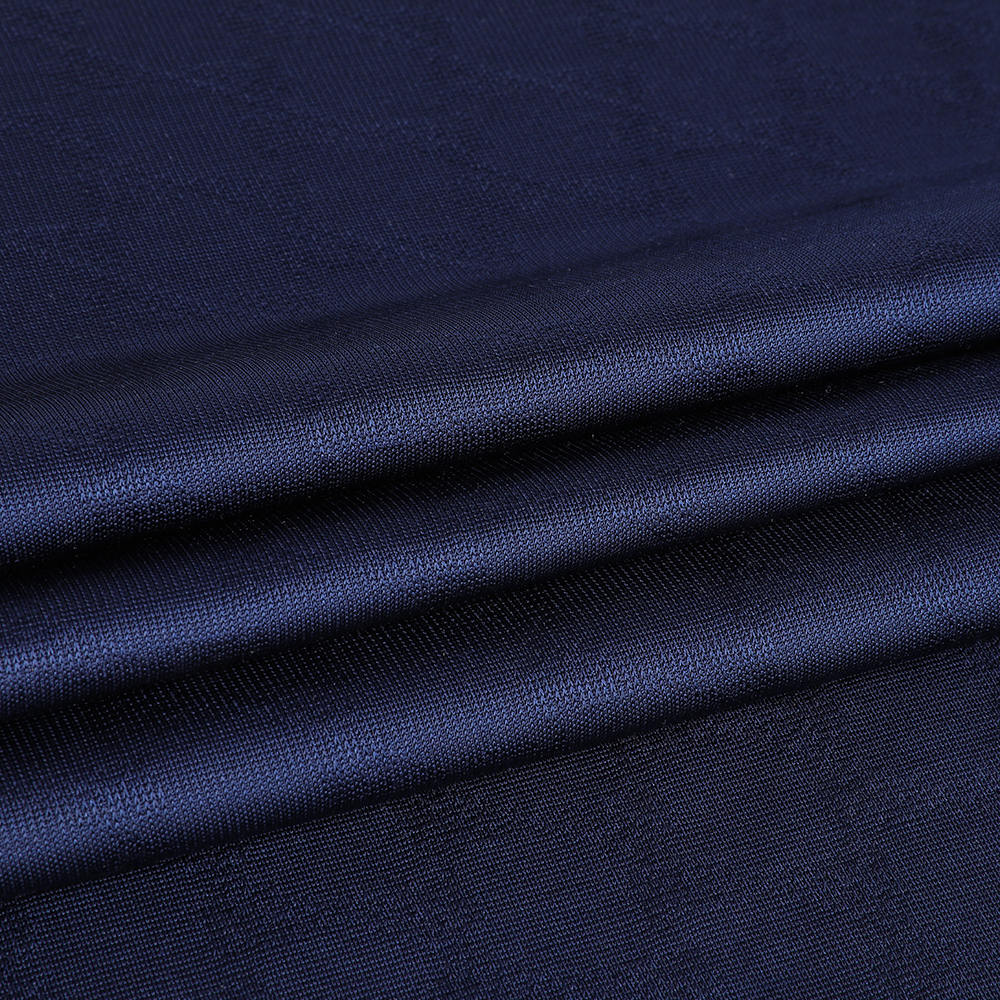 Wholesale Luxury Eco-friendly Machine Washable Silk Business Clothing Fabric Man Jiaxing Jinkaiyue Knitted Fabric Co., Ltd is China Wholesale Luxury Eco-friendly Machine Washable Silk Business Clothing Fabric Manufactu... View Product →
 Women's dresses and knit tops are another strong application. Fitted silhouettes need recovery as well as softness, which is why a machine washable silk interlock fabric with spandex for women's apparel works for dresses, skirts, and close-fitting tops. The spandex lets the fabric stretch with the body and return cleanly after laundering instead of bagging at the elbows and knees.
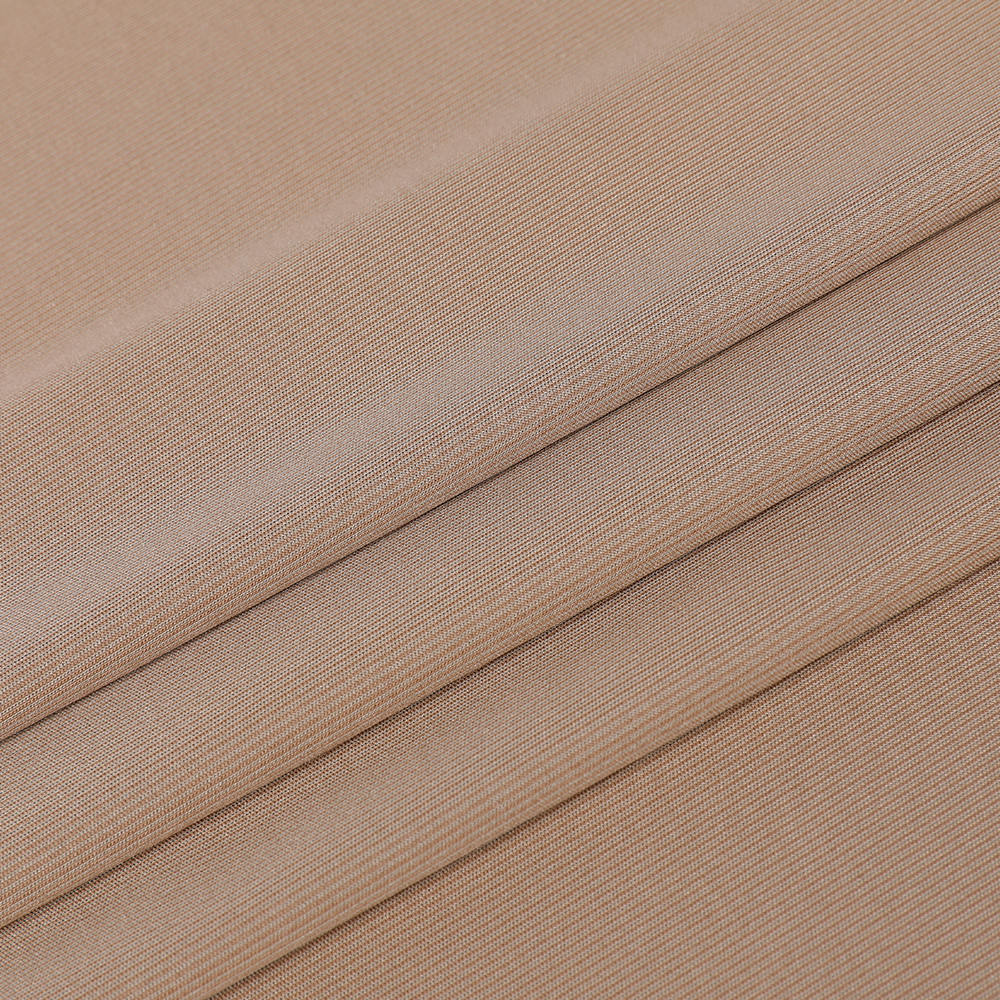 Wholesale Luxury Breathable Knitted Spandex Machine Washable Silk Interlock Fabr Jiaxing Jinkaiyue Knitted Fabric Co., Ltd is China Wholesale Luxury Breathable Knitted Spandex Machine Washable Silk Interlock Fabric for... View Product →
 For more casual programming, silk-cotton blends in ratios such as 10/90, 30/70, and 55/45 bring the price point down while retaining enough silk character to differentiate a basic tee or relaxed blouse. The blend ratio, fabric weight, and knit structure should be decided together, because they jointly determine how the garment behaves in the wash.
A Sourcing Checklist for Washable Silk Knits
Ask for Wash-Test Evidence Before Committing
A fabric specification sheet is a promise; a wash-test report is evidence. Request the original accelerated laundering results and confirm that the fabric weight, batch, and finishing lot match the sample you are approving. If your production volume justifies it, have finished garments laundered using the exact care cycle you plan to print, with a realistic detergent and load size. Garments, not fabric swatches, reveal the true result , because seams, trims, and interlinings can pull or pucker independently of the fabric.
Match Blend, Weight, and Knit Structure to the Garment
The right specification depends on the end use. Lightweight jersey around 140-160 gsm suits blouses and tees, while midweight interlock and jacquard constructions around 180-220 gsm carry dresses and structured tops. If you need to define these parameters for a new program, a review of typical knitted mulberry silk fabric weight and breathability specifications helps set realistic targets before sampling. For premium positioning, a machine washable knitted mulberry silk fabric gives the strongest silk hand feel; for cost-sensitive programs, silk-cotton blends reduce price while keeping the washable profile. Document the weight, composition, and test levels on the technical datasheet so bulk production has a fixed reference.
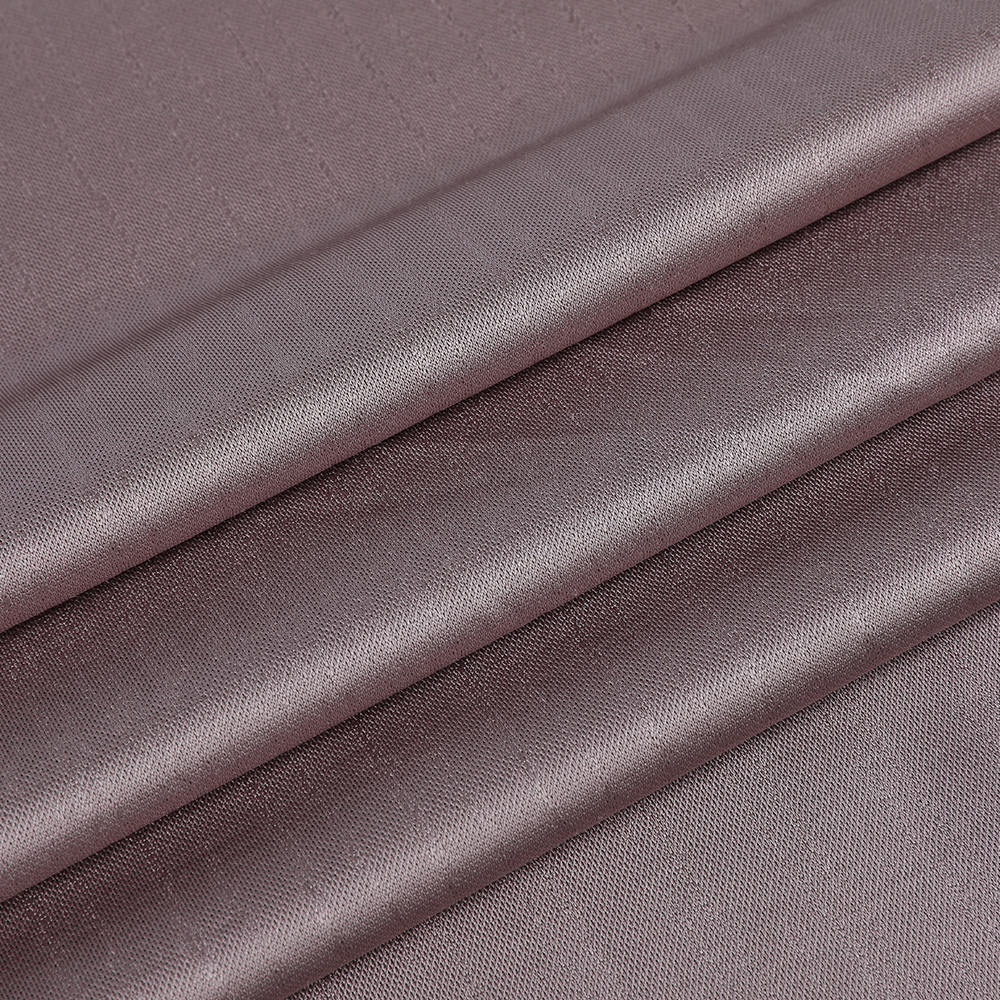 Wholesale Machine Washable Luxury Eco-friendly Knitted Mulberry Silk Fabric Manu Jiaxing Jinkaiyue Knitted Fabric Co., Ltd is China Wholesale Machine Washable Luxury Eco-friendly Knitted Mulberry Silk Fabric Manufactur... View Product →
 Write the Care Label Before You Source
Because machine washable silk is a finished performance category, the care label should be defined during product development rather than after the fact. A label that conflicts with the fabric's actual limits will produce returns no matter how good the hand feel is. For most machine washable silk knits, a safe default is:
- Machine wash cold (30°C) on a gentle cycle, inside out in a mesh bag.
- Use a mild, bleach-free detergent and avoid fabric softeners.
- Select a low spin speed to reduce mechanical stress on the wet fabric.
- Line dry; if tumble drying on low heat is claimed, confirm it with wash-test data.
- Iron at a low temperature or use steam, always on the reverse side.
When these parameters are set in advance, the supplier can validate them during development instead of leaving the garment's survival to chance.
The Practical Value of a Washable Silk Program
Machine washable silk knitting fabric solves a very concrete commercial problem: customers want the look and hand of silk without the dry-cleaning bill. For brands and manufacturers, the path is straightforward. Set test benchmarks first, demand wash-test evidence, and choose yarn, structure, and blend ratios that match the garment type and price point. When those pieces are in place, machine washable silk stops being a special request and becomes a reliable, repeatable category in the collection. The fabrics that succeed are not the ones with the softest hand on a sample card; they are the ones that still look right after the tenth wash.